A Reading Corner for the First Dark Evenings
A reading corner for the first dark evenings can feel inviting and easy to use when the seat, book surface, light, and settling-in routine work together.
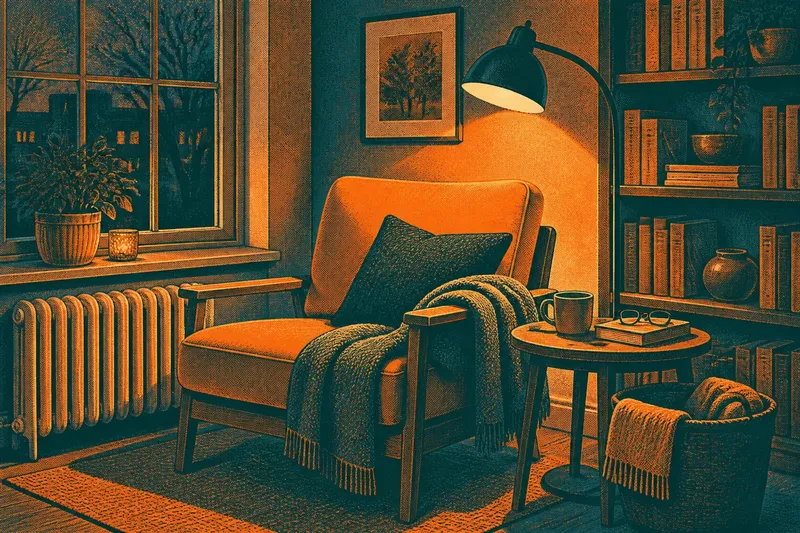
Where should a reading corner go when the first dark evenings arrive? A reading corner for the first dark evenings works best when you can settle into the seat, reach your book and drink, and enjoy comfortable light without rearranging the room. Think of it as a small sequence of actions, not a furniture display: arrive, sit, place things, read, and get up again.
Where should the seat go?
Put the seat where it feels sheltered but not tucked into a dead end. A corner beside a window can offer a view during the day, but after sunset the glass may feel chilly or reflect the room’s lights. Try the chair a little back from the window rather than pressed against it. A solid wall behind one shoulder can make the spot feel settled, while an open side keeps it connected to the rest of the room.
Consider what happens when you actually sit down. Can you turn your head toward the room without twisting? Is there enough space to lower your arms and stand up comfortably? A deep armchair can feel inviting but may be awkward if its arms press against a table or wall. A compact upholstered chair, a wooden lounge chair with a cushion, or a small settee can each work, depending on how you like to read.
Say you have an empty corner near a bookcase and a radiator under the window. Imagine placing a chair slightly angled toward the room, with its back away from the radiator and one side near the bookcase. The expected result is a seat that feels connected to the books without blocking the heat source or making the corner feel sealed off.
What should stay within reach?
Keep the surfaces that support reading close enough to use without leaning far. A side table can hold a book, glasses, and a mug; a narrow shelf can serve if floor space is scarce. Check the table from the seated position, not while standing. Its top should be easy to reach, and its base should leave room for your feet.
Think about what you set down when you arrive. If you carry a book and reading glasses, give each a reliable place. If you use a bookmark, a small dish or tray can keep it from slipping between cushions. A fabric basket beside the chair can collect a blanket, but it should not crowd the route to the seat or become a catch-all that swallows the book you meant to read.
Material matters here because these surfaces are handled often. A wood or laminate top is generally straightforward to wipe; woven materials and unfinished surfaces may call for gentler care. For a drink, choose a stable, level surface rather than balancing a cup on an armrest. Follow product care instructions for finishes and upholstery.
How should the light work?
Layer the light so the chair is comfortable after daylight fades. A floor lamp can direct light toward the page while leaving the rest of the room softly lit. A table lamp may suit a chair beside a console or end table. Look for a shade and position that keep the bright source out of your eyes, and check that the lamp does not cast a hard shadow from your book hand.
Room lighting matters, too. Reading in a bright pool surrounded by a very dark room can feel stark, while a single overhead light may leave the page in shadow. Keep a gentle ambient light on, then use the reading lamp to bring the page into clear view. Bulb color and brightness are personal preferences; follow the fixture and bulb makers’ instructions, and choose a setup that feels comfortable to your eyes.
Before settling on a lamp position, sit in the chair with a book open. Shift the light until the page is clear and the bulb is not glaring. This simple check is more useful than judging the lamp from across the room, where its glow may look pleasant but reveal little about reading comfort.
What makes the spot feel inviting?
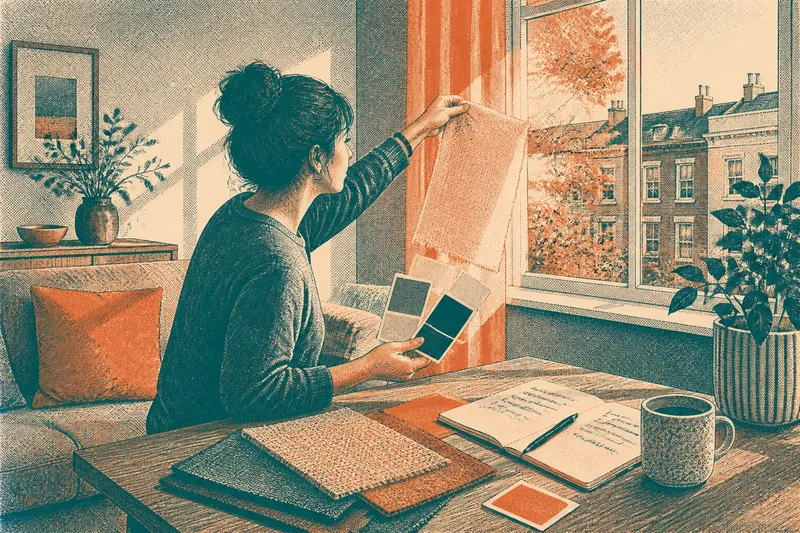
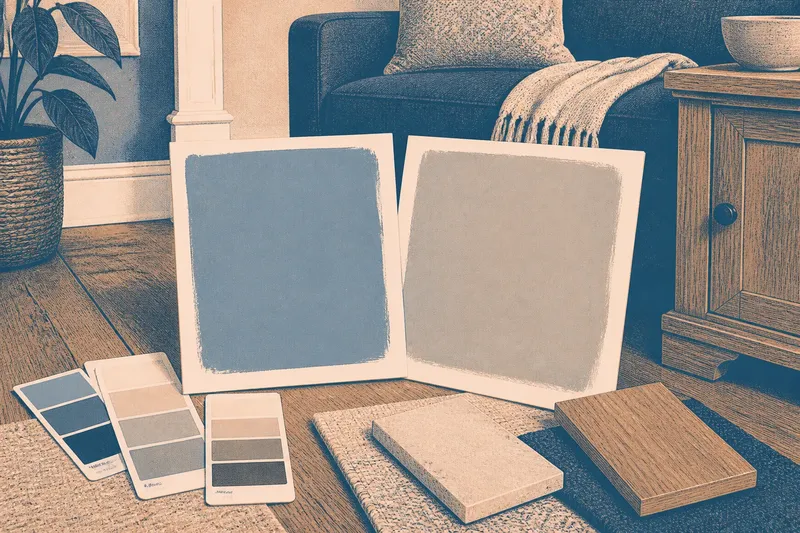
Give the corner a few tactile cues that suit a long evening: a cushion that supports your back, a soft throw, or a small rug that makes the chair feel anchored. These need not match. A wool throw beside a cotton cushion and a wood table can feel coherent when their colors and textures relate without becoming identical.
Keep the arrangement visually calm. One favorite object on the table may make the spot personal; a stack of unrelated accessories can compete with the book. A nearby plant or framed print can add warmth, but leave the lamp’s light and the chair’s outline unobstructed. The aim is not to decorate every spare inch. It is to make the useful parts easy to notice.
How do you settle in smoothly?
Make the order of ordinary actions easy: bring the book, sit, switch on the reading light, set down your drink, and reach for the throw if needed. Place frequently used items where your hand naturally falls. Think of the chair, table, lamp, and blanket as tools arranged like cutlery in a drawer: each has a place, and the useful things are easiest to reach.
Try the sequence before committing to the arrangement. Sit down with a book and notice whether the lamp switch is awkward, the table is too far away, or the blanket requires standing. Move one item at a time and repeat the sequence. If a household label, manufacturer instruction, or local rule applies to a fixture or material, follow it; for electrical or other safety-critical changes, consult a qualified professional.
Which details matter most?
Can a reading corner work in a small room?
Yes. A compact chair, wall-mounted shelf, or slim table can provide the essentials without claiming much floor area. Keep the book and light accessible, and avoid adding pieces that make sitting down or standing up uncomfortable.
Should the chair face the window?
Not necessarily. Face the view if it feels pleasant, or angle the chair toward the room if you prefer a sense of connection. After dark, check for reflections in the glass and shift the seat or lamp if they distract you.
Is a footstool necessary?
No. Add one if you regularly want to raise your feet and can still move around it easily. Otherwise, a supportive seat and a throw may be enough for a comfortable reading pause.
How can the spot change with the season?
Use removable layers: a warmer throw, a cushion cover with a softer texture, or a small rug underfoot. Keep the core arrangement—the seat, light, and reachable surface—usable as the room’s needs change.
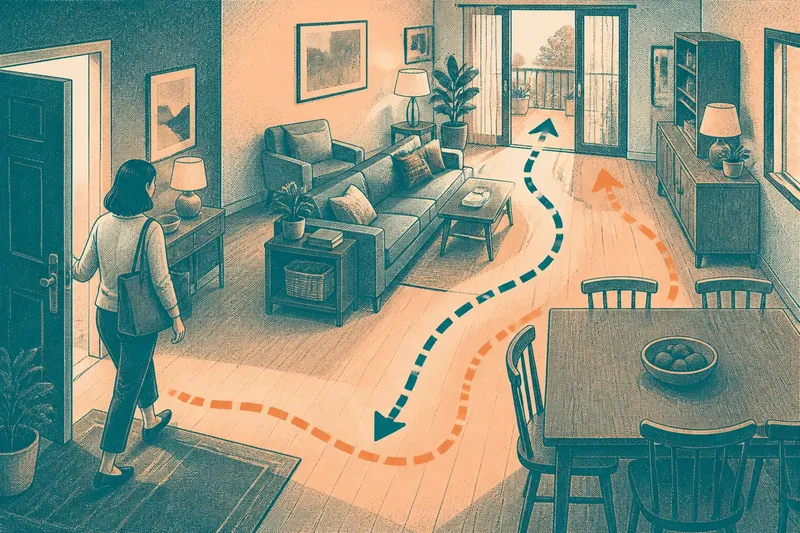
A reading corner for the first dark evenings does not need a dedicated room or a matched collection of furniture. Start with the route from the doorway to the seat, then make the book, light, and small comforts easy to reach. When those actions feel natural, the corner is ready for the evenings when the window has turned to a mirror and the next chapter is waiting.